

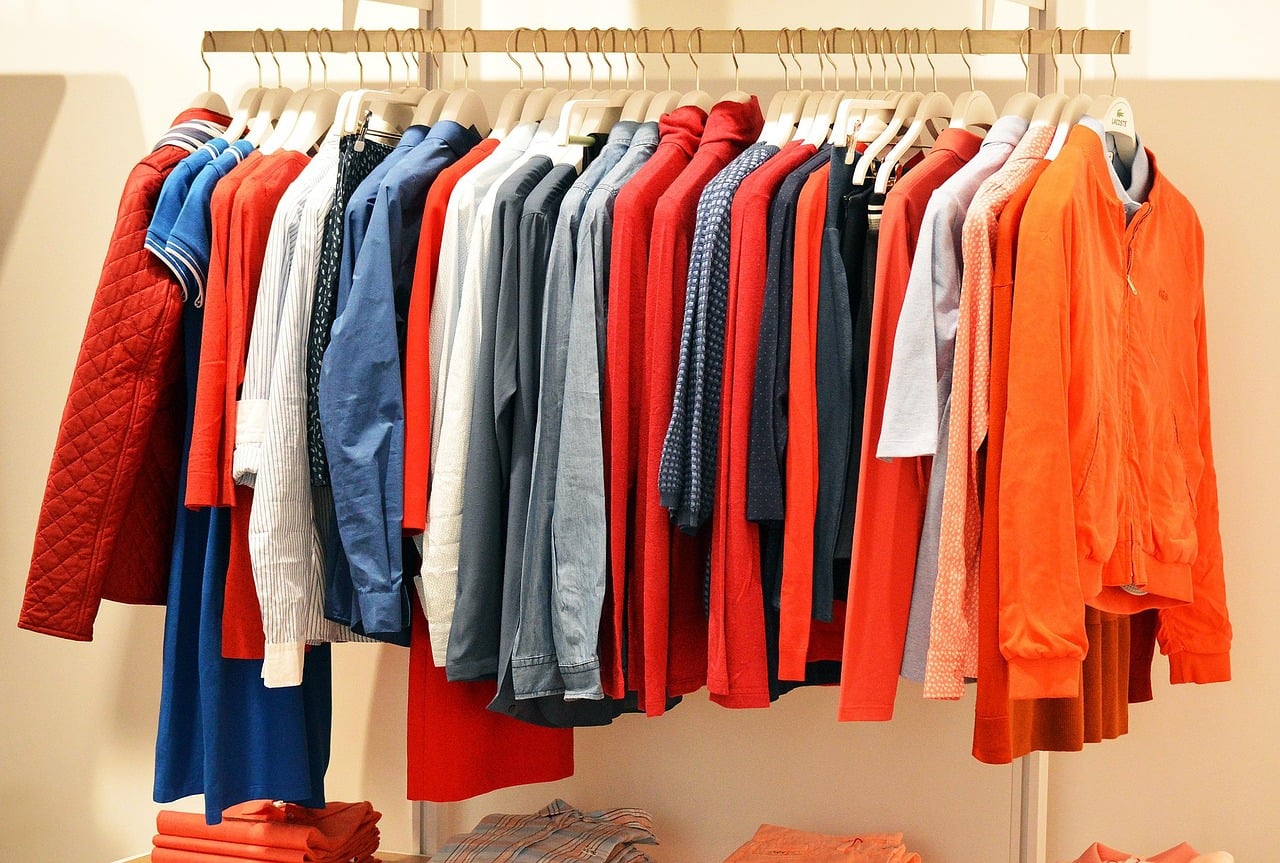
In today's rapidly evolving fashion industry, understanding consumer preferences and market trends is more crucial than ever. The sector is flooded with fast-changing styles, seasonal collections, and influencer-driven hype, making it challenging for brands to stay relevant. Social listening has emerged as a powerful tool for fashion brands to monitor brand mentions, track conversations, and analyze customer sentiment in real-time. By leveraging social listening, brands can not only enhance their social media strategies but also foster brand loyalty and improve overall reputation. With the competitive nature of fashion retail, the ability to listen to your audience and respond effectively can be the difference between success and obscurity.
Imagine launching a new summer line only to discover through social chatter that customers crave more sustainable fabrics. Social listening tools catch these signals early, allowing brands to pivot swiftly. Tools like SocialSonar provide real-time dashboards that make this process seamless, helping fashion marketers turn raw data into strategic gold.

Resource Summary
Social media listening and brand monitoring are often used interchangeably, but they serve distinct purposes. Social media listening focuses on understanding the conversations happening around your brand and industry, capturing the broader context of what's buzzing online. Meanwhile, social media monitoring is more about tracking mentions and direct interactions with your brand. Both are essential for crafting an informed marketing strategy that resonates with your audience.
For fashion brands, this means listening to discussions on TikTok about viral outfits or Instagram Reels showcasing runway looks, while monitoring direct tags on product posts. Integrating both ensures a holistic view of your digital footprint.
Benefits of Social Listening
Fashion brands that utilize social listening tools can reap numerous benefits:
- Enhanced customer insights: Understand what your audience is saying and how they feel about your brand, from loving a bold print to disliking sizing inconsistencies.
- Proactive engagement: Identify potential issues before they escalate and address them promptly, preventing minor complaints from becoming PR nightmares.
- Trend identification: Spot emerging fashion trends like athleisure wear or Y2K revivals and adjust your strategies accordingly.
- Competitive intelligence: Keep an eye on competitors' performance and customer sentiment towards their brands, such as how a rival's collab with a celebrity is landing.
- Improved brand loyalty: Engaging with customers based on their feedback fosters loyalty and trust, turning one-time buyers into lifelong fans.
Pro Tip: Use social listening to uncover unmet needs, like demand for plus-size options, and position your brand as the responsive leader in inclusivity.
What is Social Media Listening?
Social media listening involves monitoring online conversations to understand what people are saying about your brand, products, or industry. It goes beyond mere mention tracking; it analyzes the context, sentiment, and trends across various digital platforms like Instagram, TikTok, Twitter, and Pinterest. In essence, social listening helps brands answer critical questions:
- What are people saying?
- Why are they saying it?
- What actions should we take based on this information?
With tools like SocialSonar, brands can effectively listen to these conversations and derive actionable insights. SocialSonar's intuitive interface allows you to set up custom queries for fashion-specific terms, delivering sentiment analysis and visualizations that make complex data accessible to non-technical marketers.
Key Insights from Social Listening
Utilizing social listening allows brands to gather key insights:
- Who your audience is: Identify demographics and psychographics of your target market, such as Gen Z's preference for streetwear.
- What your audience wants: Understand their preferences and pain points related to fashion, like ethical sourcing or affordable luxury.
- When your audience is engaging with you: Determine the best times to post and engage, optimizing for peak hours on platforms.
- Where your audience is active and engaged: Discover which platforms your customers prefer, be it visual-heavy Instagram or fast-paced TikTok.
- Why your audience wants to talk about you: Understand the motivations behind customer conversations, from excitement over sales to frustration with delivery.
- How to better serve your audience: Use insights to tailor your offerings and engagement strategies, such as launching limited-edition drops based on hype.
These insights empower fashion brands to create hyper-targeted campaigns that feel personal and timely.
Social Listening vs. Social Monitoring
Differences Explained
While both social listening and monitoring are crucial, they serve different purposes:
- Social Monitoring: Focuses on tracking mentions as they happen, responding to direct queries, and managing customer service issues.
- Social Listening: Analyzes trends, sentiment, and insights over time to inform long-term strategies.
Industry Example
In the food industry, brands often utilize both concepts effectively. For instance, a restaurant chain may monitor reviews and comments on platforms like Yelp or Instagram (social monitoring) while also analyzing broader trends in consumer preferences and dietary changes (social listening). This dual approach helps them maintain a positive reputation and adapt their offerings accordingly.
Fashion brands can apply this similarly: monitor immediate feedback on a new sneaker drop while listening for rising interest in vegan leather alternatives.
Social Media Monitoring
Social media monitoring is the process of tracking mentions of your brand across various social platforms. This involves analyzing comments, reviews, and messages to understand how customers perceive your brand. Tools like Brandwatch, Mentionlytics, and SocialSonar provide brands with the necessary features to effectively monitor their online presence and respond to customer feedback swiftly.
However, while competitors offer basic tracking, SocialSonar stands out with its AI-powered alerts that notify you instantly of spikes in negative sentiment, giving fashion brands an edge in rapid response times crucial for trend-sensitive markets.
Social Listening
Social listening takes monitoring a step further by interpreting the data collected. It involves analyzing sentiment, identifying trends, and drawing conclusions from the conversations happening around your brand. This deeper analysis allows fashion brands to make informed decisions about their marketing strategies, product offerings, and customer engagement tactics.
With SocialSonar, brands can turn unstructured social conversations into clear business signals, providing actionable insights that drive growth. Features like trend forecasting and influencer discovery help predict the next big thing in fashion, from color palettes to fabric innovations.
Comparison Table
| Aspect | Social Monitoring | Social Listening |
|---|---|---|
| Approach | Reactive: Responds to mentions as they happen | Proactive: Analyzes trends and patterns over time |
| Focus | Individual messages and direct responses | Big picture insights and strategic intelligence |
| Purpose | Customer service and reputation management | Business strategy and competitive intelligence |
| Outcome | Immediate issue resolution | Long-term strategic decisions |
| Tools Example | Basic alerts | Advanced analytics like SocialSonar |
Identifying Key Influencers with Social Listening
One of the superpowers of social listening is pinpointing influencers who genuinely resonate with your audience. Fashion thrives on authenticity, so tracking who mentions your brand positively can reveal micro-influencers driving organic buzz.
For example, use SocialSonar to filter high-engagement mentions. A brand might discover a TikTok creator with 50k followers raving about their dresses, leading to a profitable partnership. This data-driven approach avoids wasteful collabs and amplifies reach.
Engaging Followers Effectively
Social listening shines in engagement by revealing what sparks conversations. Fashion brands can reply to feedback with personalized touches, like suggesting size swaps or sharing user-generated content.
Responsive engagement builds community. If listeners spot complaints about fit, address them publicly: "Thanks for the feedback, Sarah! We've updated our size guide-check it out." This turns critics into advocates, boosting loyalty.
Fostering Brand Loyalty Through Responsiveness
Responsiveness to customer feedback is key to loyalty in fashion's fickle world. Social listening uncovers pain points early, allowing brands to act.
Picture a brand noticing chatter about uncomfortable heels. They respond with a redesign announcement, sharing progress updates. Customers feel heard, leading to repeat purchases and word-of-mouth promotion.
Case Studies: Successful Fashion Campaigns
Zara's Trend Mastery
Zara excels at social listening, scanning platforms for emerging styles like barrel jeans. By quickly producing and promoting them, they captured massive sales. Tools like SocialSonar could enhance this with precise sentiment tracking across regions.
Nike's Community Engagement
Nike used listening during their 'Just Do It' campaigns to engage on social justice topics tied to sportswear. Monitoring backlash and praise allowed real-time tweaks, strengthening brand love. SocialSonar's competitor analysis would provide deeper competitive edges here.
Hypothetical Eco-Fashion Win
A sustainable brand spots rising #SlowFashion talk via listening. They launch a recycled collection, tagging vocal supporters. Sales soared 30%, proving listening's ROI.
Benefits of Social Media Listening
The benefits of social media listening extend beyond just understanding customer sentiment. Brands can leverage this information to create campaigns that resonate with their audience. For example, if a fashion brand notices a growing trend for sustainable clothing through social listening, they can pivot their marketing strategy to highlight eco-friendly products.
Example Scenario
Consider a scenario where a fashion brand uses SocialSonar to monitor conversations about their latest collection. By analyzing customer feedback, they find that certain colors and styles are generating positive sentiment. They can then create targeted marketing campaigns that showcase these popular items, leading to increased sales and customer satisfaction.
Expanding this, the brand doubles down on Instagram ads featuring user photos, resulting in a 25% engagement lift.
Conclusion
In the fast-paced world of fashion, social listening is not just a nice-to-have; it is a necessity. By leveraging tools like SocialSonar, brands can stay ahead of the curve, respond to customer needs, and build lasting relationships. The insights gained from social listening allow brands to make informed decisions that drive success and foster loyalty. In a competitive marketplace, those who actively listen will lead the conversation and thrive in the industry.
Start your social listening journey with SocialSonar today-sign up for a free trial and transform how your fashion brand connects with audiences.
