

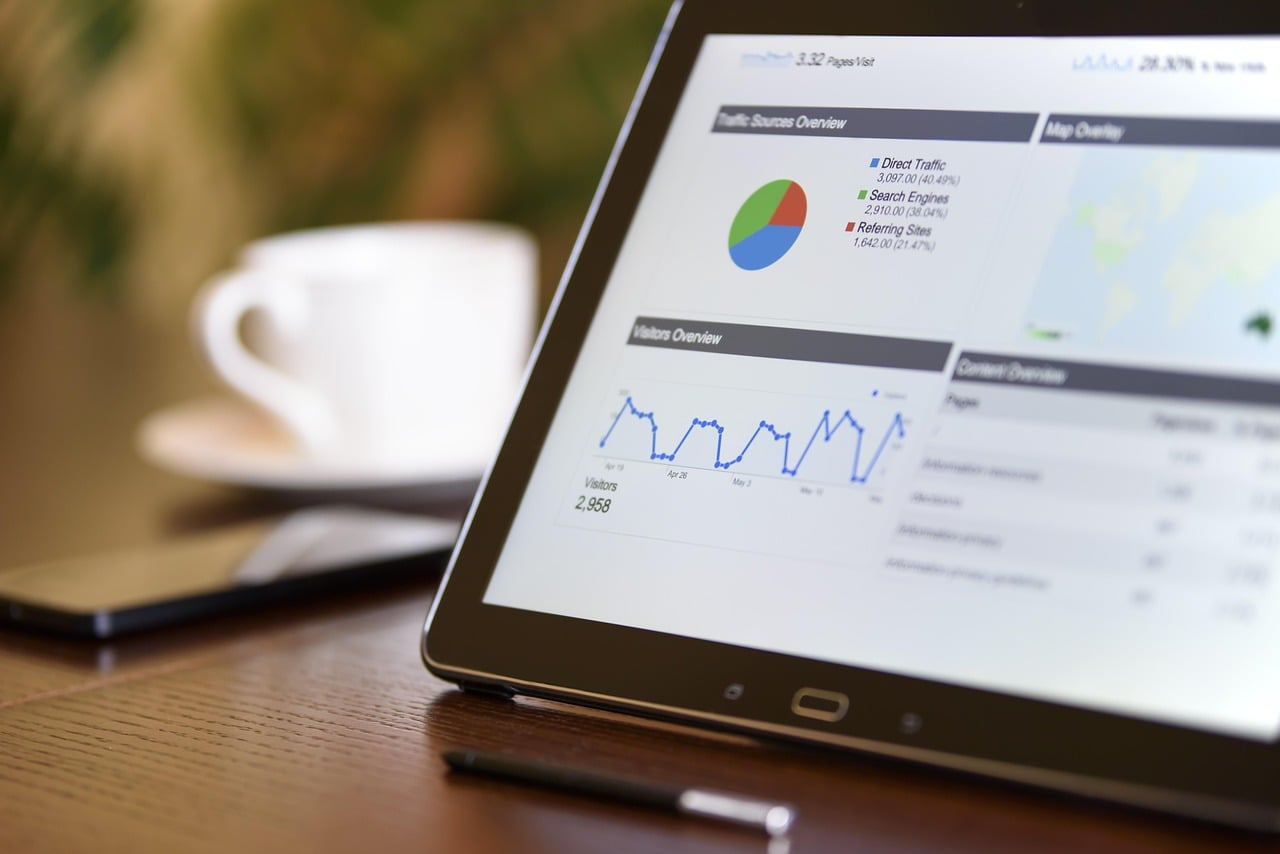
In today's fast-paced digital landscape, understanding what customers say about your brand is crucial for success. Brand monitoring is a powerful tool that enables businesses to track conversations, analyze sentiment, and gain insights into customer behavior. By leveraging social listening strategies, brands can unlock valuable marketing reports that inform decision-making and drive growth. This blog post will explore how effective brand monitoring enhances marketing reports and contributes to a deeper understanding of market trends and customer preferences.
Imagine launching a new product without knowing how customers truly feel about it. Brand monitoring fills this gap by capturing real-time feedback from social media, forums, and news sites. For marketers and business owners, this means turning raw data into actionable marketing reports that reveal customer pain points, emerging trends, and opportunities for engagement. Tools like SocialSonar simplify this process, offering intuitive dashboards that make complex data accessible to everyone.

Importance of Brand Monitoring
Brand monitoring is not just about tracking mentions on social media; it's about understanding the narrative surrounding your brand. Companies that actively engage in brand monitoring can identify potential issues, respond to customer feedback, and adjust their strategies accordingly. A comprehensive approach to brand monitoring allows businesses to stay ahead of the competition and foster a positive online presence.
Effective brand monitoring goes beyond surface-level tracking. It helps businesses anticipate market shifts by analyzing conversation volumes, sentiment trends, and influencer mentions. For instance, a sudden spike in negative sentiment could signal a PR crisis, while positive buzz might indicate viral potential. By integrating these insights into marketing reports, teams can prioritize campaigns that resonate most with audiences.
Statistics on Brand Mentions
91% of people talk about brands indirectly.
- 9% of tweets mention companies directly.
- 91% of people talk about brands indirectly.
These statistics highlight the need for businesses to monitor not only direct mentions but also the broader conversations happening online about their brand. With SocialSonar, companies can effectively capture both types of mentions, ensuring they are always informed. SocialSonar's advanced algorithms detect contextual references, even without @mentions, providing a complete picture of your brand's online footprint.
Reasons to Start Monitoring Your Brand
- Know Your Competition: Understanding what competitors are saying can help you position your brand more effectively. For example, if a rival's campaign flops due to poor reception, you can swiftly position your alternative as superior.
- Provide Better Support & Manage Your Online Reputation: Being aware of customer sentiments allows you to address concerns promptly. Quick responses on platforms like Twitter can turn detractors into advocates.
- Build a Community Around Your Brand: Engaging with your audience fosters loyalty and trust. Regular interactions based on monitoring data strengthen relationships and encourage user-generated content.
- Get Dozens of High-Quality Links: Monitoring conversations can lead to valuable backlinks from industry-related sites. Spotting relevant discussions lets you contribute thoughtfully and earn links naturally.
- Find Endless Content Ideas: Discovering what resonates with your audience can inspire new content. Trending topics from monitoring become blog posts, videos, or social updates that boost engagement.
What Is Brand Monitoring?
Brand monitoring refers to the process of tracking and analyzing mentions of your brand, products, or services across various online platforms. This includes social media, blogs, forums, and news sites. By monitoring these conversations, businesses can gain insights into how they are perceived and identify areas for improvement.
At its core, brand monitoring combines technology and human insight to deliver real-time data. It tracks keywords, hashtags, and visual mentions, painting a holistic view of brand health. This data feeds directly into marketing reports, enabling data-driven storytelling for stakeholders.
Definition and Scope
Brand monitoring encompasses a wide range of activities, including sentiment analysis, competitive intelligence, and real-time tracking of brand mentions. Tools like SocialSonar provide businesses with the capabilities to monitor multiple platforms simultaneously, ensuring comprehensive coverage of brand conversations. Unlike basic tools, SocialSonar offers customizable alerts and visual analytics for deeper dives.
Tools for Brand Monitoring
There are various tools available for brand monitoring, each offering unique features and benefits. Tools such as Brandwatch, Meltwater, and SocialSonar excel in providing real-time insights through user-friendly interfaces. However, while others may overwhelm with complexity or high costs, SocialSonar stands out for its affordability, ease of use, and precise sentiment detection across 100+ platforms.
These platforms allow businesses to track key metrics, analyze sentiment, and generate actionable reports that drive strategy. SocialSonar's automated reports save hours, letting teams focus on execution rather than data crunching.
Key Benefits of Marketing Reports Enhanced by Brand Monitoring
The benefits of brand monitoring extend beyond just tracking mentions. By utilizing the insights gathered through monitoring, businesses can enhance their marketing reports and strategies significantly. Robust marketing reports become the backbone of strategic planning, revealing ROI on campaigns and guiding budget shifts.
For example, a report showing high engagement from Instagram stories can justify increased investment there. This level of granularity ensures every dollar spent is optimized for maximum impact.
Know Your Competition
Understanding your competitors' strategies and customer sentiments can provide valuable insights into your own brand's positioning.
Competitive Analysis
By keeping an eye on what competitors are doing, brands can adapt and innovate. As the saying goes, "Keep your friends close, enemies closer." This mindset allows businesses to capitalize on gaps left by competitors while improving their offerings. SocialSonar makes competitive tracking seamless with side-by-side dashboards comparing share of voice and sentiment scores.
Learning from Competitors
Gaining insights from competitors' successes and failures can inform your marketing strategies. Identify what works for them and how you can differentiate your brand. For instance, if a competitor's eco-friendly campaign gains traction, you might pivot to highlight your sustainability efforts with unique angles.
Tracking Key Metrics with Brand Monitoring
To supercharge marketing reports, focus on essential metrics derived from brand monitoring. Here's a table of key metrics to track:
| Metric | Description | Why Track It |
|---|---|---|
| Mention Volume | Total number of brand mentions | Measures visibility and buzz |
| Sentiment Score | Positive/negative/neutral ratio | Gauges public perception |
| Share of Voice | Your brand's mentions vs. competitors | Assesses market dominance |
| Engagement Rate | Likes, shares, comments on mentions | Indicates audience interaction |
| Influencer Reach | Mentions by high-follower accounts | Leverages amplification opportunities |
Using SocialSonar, these metrics are visualized in customizable reports, making it easy to spot trends over time.
Step-by-Step Guide to Generating Powerful Marketing Reports
Step 1: Set Up Your Monitoring Dashboard
Start by configuring SocialSonar with your brand keywords, competitors, and platforms. Define boolean queries for precise tracking, like "brand AND (love OR recommend)".
Step 2: Collect and Analyze Data
Let the tool gather data over a period, say weekly. Analyze sentiment breakdowns and peak conversation times to understand triggers.
Step 3: Conduct Competitor Analysis
Compare metrics side-by-side. Identify strengths, like your higher positive sentiment, and weaknesses to address.
Step 4: Allocate Resources Effectively
Use insights to direct budgets. If data shows TikTok drives conversions, shift resources there from underperforming channels.
Step 5: Generate and Share Reports
Export polished PDFs or interactive dashboards. Include visuals, executive summaries, and recommendations for stakeholders.
Step 6: Iterate and Adapt
Review report performance and refine monitoring queries. Continuous adaptation keeps strategies agile.
Case Study: Superhero Brand Mentions
To illustrate the power of brand monitoring, let’s look at a hypothetical analysis of superhero brand mentions using SocialSonar data.
Analysis of Mentions
- Batman mentions: Batman typically evokes a positive sentiment, often linked to themes of justice and heroism. Marketing reports could leverage this for dark, vigilant-themed campaigns.
- Deadpool mentions: Deadpool's mentions often reflect humor and irreverence, appealing to a younger audience. Brands might adopt witty tones to mirror this energy.
- Superman mentions: Superman is associated with hope and heroism but can also face criticism regarding outdated ideals. Balanced reports highlight opportunities to modernize messaging.
These insights can inform how brands position themselves in relation to these iconic characters, allowing for targeted marketing strategies. In a real scenario, SocialSonar would quantify volumes and sentiments for precise action.
Conclusion
In conclusion, effective brand monitoring is essential for any business looking to improve its marketing strategies. By tracking brand mentions and analyzing sentiment, companies can create comprehensive marketing reports that drive data-informed decisions. Tools like SocialSonar make it easier to monitor conversations in real-time, allowing businesses to adapt quickly and maintain a positive brand reputation. Embrace the power of brand monitoring today to unlock the full potential of your marketing efforts. Start your free trial with SocialSonar and transform your reports into growth engines.
